Obsessively checking your cycle tracking app, counting those overdue days?
We’ve all been there—your period is late, and there’s just one question on your mind:
“Could I be pregnant?”
Whether you’re hoping the answer is yes or no, it’s an anxious time. And although you may not realise it, stress could be a factor—even if you don’t “feel” particularly stressed.
Stress can affect your cycle length and fertility in unexpected ways. If an irregular cycle has you worried, read on to understand what might be happening in your body—and what you can do about it.
Can Stress Delay Your Period?
Short answer: yes, stress can delay your period because it impacts the hormonal signals that regulate ovulation.
If ovulation happens late or not at all, it can cause a late or missed period—with delays ranging from a few days to several weeks.
But while you might think only extreme or traumatic stress can delay your period, research actually shows that chronic, everyday stress—like work pressure, poor sleep, or a sustained high load—is enough to disrupt cycle regularity.
“People often think that the effects of stress are immediate and obvious”, says Joana De Calheiros Velozo, Chief Science and Product Officer at NOWATCH. “But a few stressful days don’t cause a late period. By the time your cycle is affected, the stress load that catalysed it has been accumulating for some time.”
Stress or Pregnancy? Here’s a Quick Way to Tell
The only reliable way to confirm whether you’re pregnant or not is by taking a pregnancy test, so if your period is late and you’ve had unprotected sex, that should be your first step.
If your cycle is usually regular but suddenly becomes delayed, both stress and pregnancy could be the cause—but there are some symptoms that might give you clues as to which it is.
Signs like poor sleep, anxiety, fatigue, or burnout could indicate stress. If, on the other hand, you notice nausea, breast tenderness, or frequent urination, pregnancy might be the cause.
Why Is My Period Late if I’m Not Pregnant?
If you’re not pregnant, a late period often means your body has temporarily deprioritised reproduction because it’s under stress or otherwise “perceiving” a survival‑level demand—like chronic stress, under‑fueling, or a very low-energy state. To understand why stress has this power over your cycle, we need to look at what's happening behind the scenes.
Comfort, everyday.
+5 days battery life+Reactivity Monitor™
At the centre of this is a system called the HPO axis (hypothalamic–pituitary–ovarian axis), which links your brain, stress response, and reproductive hormones to decide when you ovulate, how your cycle runs, and whether your body is “safe” enough to invest in a potential pregnancy.
When your stress response kicks in—perhaps because of a looming work deadline, exams, or a prolonged rough patch—your neuroendocrine system (the connection between your brain, hormones, and nervous system) activates.
First, your autonomic nervous system (ANS) ramps up: heart rate rises, palms sweat, and muscles tense. After a short delay, the endocrine system adds cortisol and other stress hormones to the mix, keeping your body primed to respond.
If stress stays high for long periods, this constantly‑on state can start to “turn the volume down” on the HPO axis. Your body channels resources away from processes like ovulation and menstruation—similar to what happens when you’ve been undereating and your period slows or stops.
As Joana explains, “Your body is essentially making a survival calculation. With chronic stress or low energy availability, it perceives your resources as under threat and deprioritises reproduction—just like it would if you weren’t eating enough.”
Because the HPO axis sits at the intersection of stress, metabolism, and reproductive hormones, any major disruption—like long‑term stress, large weight changes, intense training, or illness—can show up on your period, often in the form of a late or missed cycle.
How the Nervous System Connects Stress and Your Period
Your period is one of the most sensitive reflections of the state of your nervous system. You might have noticed that your energy and mood peak around ovulation, then taper off during the luteal phase.
But the relationship runs both ways: when your nervous system is chronically overloaded—perhaps from poor sleep, overtraining, or emotional strain—your body may deprioritise ovulation to focus on survival demands.
This can show up in various ways, including changes in cycle length (shorter or longer), anovulatory cycles (where ovulation doesn’t occur), or more intense premenstrual symptoms like sadness, anxiety, or anger.
5 Symptoms of Stress You Might Notice Before Your Cycle Is Affected
Stress doesn’t need to be severe or long to affect your cycle: even short, intense periods of stress can shift your period by a few days.
But when stress builds for days to weeks, it becomes more likely that your cycle will change, and with months of chronic stress, some women may even stop having periods altogether as the body deprioritises reproduction.
Here are five signs to look out for that might come before changes in your cycle.
1. Waking up Tired (Even After a Full Night’s Sleep)
Do you wake up tired, even after a full eight hours of sleep? Fatigue is often one of the first signs of a nervous system that’s out of balance.
This is the kind of small change that’s easy to overlook, so keeping track of events like this can help you anticipate cycle changes before they show up.
Even if you’re generally a good sleeper, you might find it harder to fall or stay asleep in the week or two leading up to your period. You could also experience insomnia, more nighttime awakenings, and disturbing dreams or nightmares.
And when your sleep suffers, it puts your body under further stress, contributing to cycle irregularity.
3. Mood Swings, Irritability, and Overwhelm
Perhaps you find yourself snapping at loved ones over nothing, feel overwhelmed by tasks you usually take in your stride, or are just inexplicably grumpy for no real reason.
Being on a short fuse or feeling unable to cope aren’t personal failures—they’re your body’s way of telling you that something’s up.
These symptoms can make you feel like you’re out of control, but you’re not—you just have an overloaded nervous system. Tools like NOWATCH’s Check-In feature can help you keep track of your mood and spot patterns over time.
4. Physical Symptoms
Stress can show up in your physical health in a number of sneaky ways. It weakens your immune system, making you more prone to illnesses (like cold and flu viruses), and taking longer to recover from them.
It can also manifest in more “mysterious” symptoms—that weird rash on your scalp, that sudden shooting pain through the back of your hip, or that migraine that shows up every month like clockwork.
5. Skin Problems and Weight Gain
If you suddenly find yourself breaking out like an adolescent even though you’re in your thirties, or gaining weight despite eating whole foods and working out regularly, stress might be to blame.
So even when you’re doing everything “right”, chronic stress affects your metabolism, inflammation, and hormones in ways that show up in your skin and waistline.
How Tracking Stress Signals Can Help You Manage Stress During Your Cycle
Your cycle isn’t just an input into how you feel—it’s also a readout of how your body has been treated.
Without data, an irregular cycle can leave you reacting to individual symptoms and guessing at causes.
By comparing stress duration, frequency, and recovery time with your cycle data, you can start to see how stress overload impacts your cycle length.
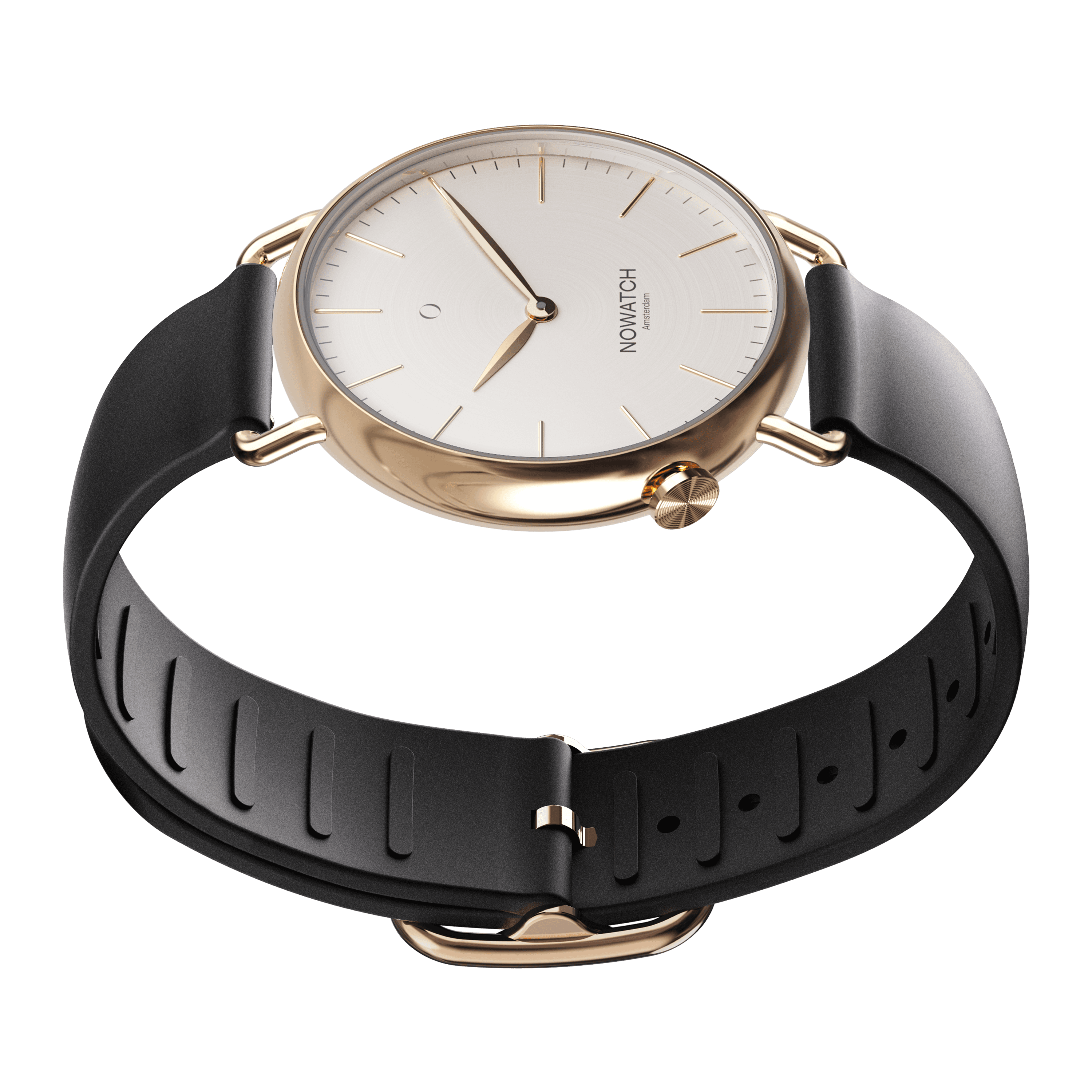
But manually cross-referencing data across multiple apps quickly gets chaotic—and that’s where NOWATCH’s Cycle Patterns feature can help.
Cycle Patterns takes data from our Reactivity Monitor™—which continuously tracks your stress duration, frequency, and recovery—and layers it over your cycle phase data, sleep, and HRV trends.
Other wearables connect cycle phase to daily scores or offer phase-based guidance. That’s useful—but none of them track stress with the granularity NOWATCH does.
By sampling every 10 seconds to build a minute-by-minute timeline, NOWATCH reveals an intricate picture of how your nervous system is responding to each cycle phase.
So instead of reacting to a late period, you can spot when stress is building—and adjust your sleep, workload, and routines before it leads to disruption.