Do you ever feel overwhelmed by emotions…then you get your period, and suddenly everything makes sense?
If so, you might be wondering if your mood swings, uncontrollable crying, and inexplicable anger are normal—or whether you should be worried.
While a certain amount of emotional dysregulation is normal as your hormones fluctuate each month, it’s important to know when changes might indicate a deeper problem.
If pre-menstrual syndrome (PMS) has got you down and you want to know what to do about it, read on to understand the causes, when you should worry, and how tracking your symptoms can help.
PMS: When Should You Worry?
Mood swings before your period are linked to hormonal changes—particularly oestrogen and progesterone—during the luteal phase.
But one of the biggest challenges of PMS is knowing how to tell the difference between “normal” symptoms and signs that something might be wrong.
If your emotional states become more extreme—like intense rage, or emotions that feel out of control and persist or worsen over multiple cycles—consult your doctor, as it could be a sign of premenstrual dysphoric disorder, or PMDD.
PMS or PMDD? Here’s How to Tell the Difference
While the symptoms of PMS and PMDD are similar, the main difference between them is their severity.
PMS symptoms, while distressing, are manageable. With PMDD, they become debilitating, interfering with your relationships, work, and quality of life. Many PMDD sufferers report intense feelings of anxiety, depression, and even suicidal thoughts.
“PMDD isn’t just ‘feeling sad’—it’s classified as a depressive disorder in the DSM-5”, explains Joana De Calheiros Velozo, Chief Science and Product Officer at NOWATCH. “Key symptoms include severe mood dysregulation, , and cognitive impairment in the late luteal phase, which resolve when your period starts. If these repeat across cycles, talk to your healthcare provider.”
Your doctor will likely ask you to track your symptoms across two to three cycles, as diagnosis is based on symptom patterns, severity, and how they impact your daily life across multiple cycles. In some cases, symptoms may become more severe over time, so it’s important to monitor patterns across cycles.
You should also consult your doctor if symptoms don't resolve after menstruation begins, or worsen over time, as this could indicate conditions like endometriosis or polycystic ovary syndrome (PCOS), which is characterised by small ovarian cysts, irregular menstrual cycles, insulin resistance, and weight gain.
What Age Does PMDD Start?
While PMDD can start at any age, onset is common any time from your mid-twenties to mid-thirties, with a number of risk factors that can contribute to it, including:
Changes in neurotransmitters like serotonin (which regulates your mood) and the way your brain responds to it, which seem to happen in the days before your period.
You know that intense, often irrational anger that can sometimes come on suddenly before your period? That’s menstrual rage, and although it’s not a formal medical term, it might sound familiar.
It broadly covers the bursts of irritability, irrational rage, and feeling of being on a “short fuse” that are common in PMS.
If your menstrual rage intensifies, and this pattern repeats predictably across cycles, it could indicate PMDD.
To recognise what’s “normal” for you, it helps to understand what’s happening to your body during each phase of your cycle.
The Menstrual Cycle Explained
The average menstrual cycle length is 28 days, but this varies greatly from one person to another—“average” for you could mean as short as 21 or as long as 35 days.
The changes you notice throughout the month are the result of the ebb and flow of four key hormones:
Oestrogen: Prepares your body for ovulation and pregnancy during the first half of your cycle. After ovulation, it maintains the thickness of the uterine lining to support the chance of pregnancy, then drops if pregnancy doesn’t happen. It also makes your brain’s receptors more responsive to serotonin, a mood-balancing hormone.
Progesterone: Helps prepare your uterine lining for a possible pregnancy after ovulation. If pregnancy doesn’t occur, it drops, triggering your period. As progesterone levels rise and fall during the luteal phase, many people experience irritability, anxiety, and aggression.
Follicle-stimulating hormone (FSH): Signals to the ovary to mature an egg and release oestrogen.
Luteinising hormone (LH): Triggers ovulation and the production of progesterone.
Changing levels of oestrogen and progesterone throughout the month are the reason you might feel overwhelmed with emotions before your period.
Phase 1: Menstrual Phase (Days 1–5)
Your menstrual cycle starts on the first day of your period. As your uterus sheds its lining, both oestrogen and progesterone are at their lowest levels, which can leave you feeling emotionally sensitive, tired, irritable, and lacking interest in things you normally enjoy.
This is usually when your energy is at its lowest, and you might struggle to focus, socialise, or push through demanding tasks—or crash out if you try.
If possible, this is the phase to clear your schedule and book a hot date with your couch. Going to bed early and incorporating gentle movement like walking or yoga can also support your mood and energy levels.
As your period comes to an end, oestrogen rises, and your body starts preparing for ovulation. During this phase, many women report relatively better mood, more energy, and improved mental focus compared with the luteal (premenstrual) phase.
This is usually when you’re at your most social and motivated, making it a good time for decision-making, creative work, and socialising.
It’s also when you should lean into the more demanding tasks on your to-do list, start new projects, and schedule meetings or collaborative work—just be careful not to write any cheques your menstruating self won’t be able to cash.
In the middle of your cycle, your ovary releases an egg, oestrogen peaks, and LH surges.
You may notice more confidence, a higher libido, and feeling more sociable and expressive—but hormonal changes can also make you emotionally sensitive or reactive.
This is usually when you’re at your most outgoing, making it a good time for connection and communication, but be mindful that your emotions might feel heightened.
After ovulation, oestrogen drops, and progesterone rises to prepare for a possible pregnancy. If pregnancy doesn’t occur, progesterone drops too, which is why many people feel more emotional in the days before their period.
You might notice gradual shifts in energy, appetite, and sleep patterns, along with increased anxiety, irritability, sadness, and anger.
You could also feel more sensitive to the stress of daily demands, so that even small or routine pressures can feel heavier or more overwhelming than usual.
How to Manage Mood Swings Before and During Your Period
“There are four research-backed lifestyle changes that can help reduce the symptoms associated with PMS”, explains Joana. Here’s how implementing them can help you stay more emotionally balanced before and during your period.
Being aware of where you are in your cycle can help you take steps to support yourself. When you enter the late-luteal phase, you can protect your energy by lowering expectations and commitments, and choosing nourishing routines like more rest or lighter work.
But light-to-moderate activity—like yoga, walking, or stretching—during the luteal phase has actually been shown to reduce PMS symptoms, while high-intensity training during this time can amplify them.
4. Reduce Stimulants
Caffeine and alcohol both increase sympathetic nervous system activity, which is already elevated in the luteal phase. Because both can increase symptom severity, it’s often a good idea to reduce or avoid them in the days before and during your period.
How Tracking Can Help You Manage Mood Swings During Your Cycle
Mood swings don’t appear out of nowhere—they follow patterns linked to your physiology. The challenge is spotting those patterns.
Perhaps you feel overwhelmed “sometimes”, sleep badly “some nights”, or snap at people “for no reason”—but without a clear view over time, it’s difficult to connect those moments to where you are in your cycle.
That’s why tracking matters—when you start paying attention to signals like sleep quality, stress responses, and mood, you can begin to see how your body shifts in repeatable cycles.
Over time, this makes it easier to anticipate when you’re likely to feel more sensitive, plan your schedule around your energy and emotional capacity, and step in earlier with the support your body needs.
But doing this manually across notes, apps, and memory is difficult to sustain—and even harder to interpret.
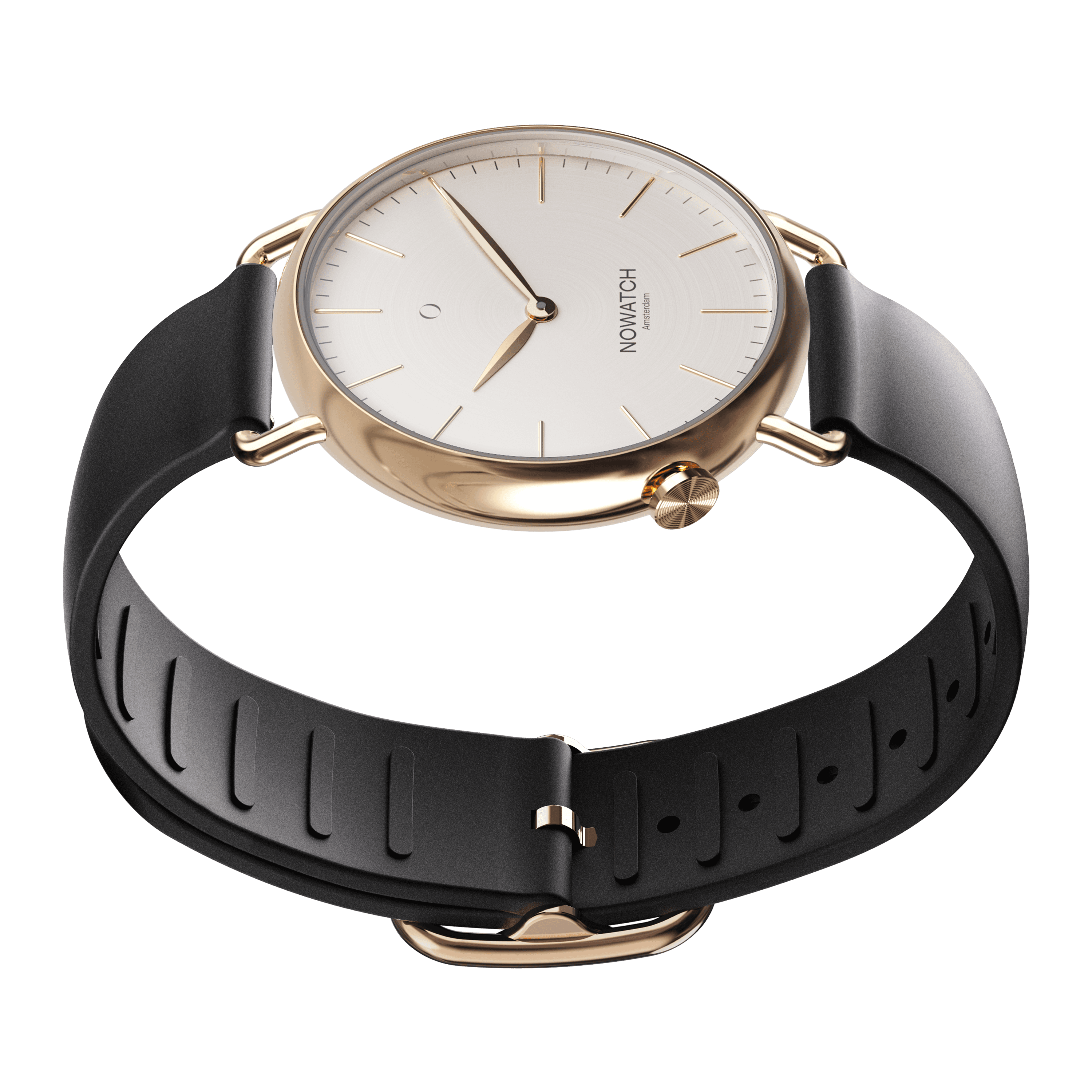
That’s where NOWATCH’s Cycle Patterns feature comes in.
Unlike other wearables, it displays your cycle data alongside stress biomarkers like HRV and skin temperature, creating a detailed overview of how stress and your cycle influence each other—so you can adjust your schedule, expectations, and energy before symptoms hit.
With the Check-In feature, you’ll receive a reminder to log your mood a couple of times a day. Logging consistently over time can help you see how your body and mind respond to stress during different cycle phases.