“Nervous system regulation” is a phrase that’s popping up everywhere in the wellness word. Often reduced to breath-work, cold plunges, or vague advice on how to calm yourself down, it’s no surprise that the term has become questionable. So, is it just a buzzword or is it really worth the hype?
The short answer is, it’s both. Nervous system regulation is definitely worth our attention, the problem is that most people don’t really understand what it is.
What does it really mean?
Let’s clear something up first. Nervous system regulation isn’t taking cold baths or doing breathing exercises. Those are tools, (and in the right context, useful ones), but they’re not regulation itself.
Quite literally, nervous system regulation is your body’s ability to adapt to all the situations life might throw at you. It’s both being able to muster the energy to perform under pressure and for your body to relax and recover effectively after a gruelling day.
It's not something you switch on with a morning routine. It's something your body is actually doing all the time, every day, whether you're paying attention or not. Think of it less like a technique, and more like a capacity. One you can support or undermine depending on how you live.
This process is coordinated by the autonomic nervous system (hence the name), which has two main branches:
The sympathetic nervous system (SNS): this drives alertness and action, also known as your fight or flight response,
The parasympathetic nervous system (PNS): this supports recovery, digestion, and repair.
These aren't two modes that simply switch on and off. Your body is constantly allocating more or less resources to one or the other. A healthy body spends most of the day in a natural balance (homeostasis), peaks into a stress response when it needs to rise to a challenge, and recovers quickly once the demand passes. When the system is working well, you handle stress, return to baseline efficiently and have enough energy to actively engage with daily activities. When it's not, you might feel depleted and stay stuck in that stressed state longer than you should.
Where did the term get confused?
The reason the term has picked up a bad rep, is that much of the advice online reduces a complex system to quick fixes or a ‘universal solution, often presented without the (very much needed) context.69b!
You’ve probably seen the advice… “do this one breathing technique to calm your nervous system in 60 seconds.” While the information sounds legitimate, it can often be incorrect, especially when it’s stripped of context. This makes it hard to differentiate what’s reliable information.
Comfort, everyday.
+5 days battery life+Reactivity Monitor™
The issue isn’t that the tools don’t work, they can, but the information is often presented too simply, and neglects the bigger picture that regulation is a dynamic process shaped by how you sleep, move, recover, and respond to stress over time. Tools used in isolation from that context can sometimes even make the problem worse.
Take cold exposure for example. It’s a method often recommended online to ‘help regulate your nervous system’. However, research shows that if your system is already under strain, from poor sleep, high workload, or chronic stress, adding another stressor can push it further out of balance, rather than help it recover.
We’re not saying dismiss the concept, it’s just about understanding the science, knowing your body and using the tools you know work for you (at the right time!).
You’re born with it, so what changes?
Here’s the interesting thing: you’re naturally born with the ability to activate and recover automatically - you also have something called interoception. This is your ability to be aware of what is happening in your body. Think of a craving - that’s your body signalling a need. Interoception allows you to pick up on what it’s trying to tell you. After a long run, that urge to sit down and slow your breathing? That’s your body asking for recovery. When you listen, you’re giving it the conditions it needs.
The issue? Instead of listening to our body’s signals, we often ignore them and ‘push through’. Modern life may be a culprit, structured in a way to keep you on high-alert, engaged, and as productive as possible with minimal breaks built into the day.
Sleep is often cut short. Movement is limited, with many people spending most of the day sedentary. Even downtime is filled with stimulation, scrolling content, and fragmented attention, rather than actual rest.
This creates a mismatch between the demands placed on the system and the recovery it receives, making your nervous system less efficient at returning to baseline, quietly eroding your ability to regulate effectively throughout the day. Think of how many times you’ve pushed through tiredness to finish an episode, or pushed back regular meal times to fit around plans - we’re constantly messing with our body's natural circadian rhythm and interfering with those very vital signals.
So how can you actually improve regulation?
The good news: there’s a lot within your control.
Consistent sleep and movement
These are the foundations. A regular bed time and morning alarm are so much more important than you’d think. When your schedule is consistent, your body can start predicting what's coming, and that predictability extends to your nervous system. Everything from digestion to how calmly you handle a heated conversation can improve when your body is running on a steady rhythm. One bad night won't derail you if everything else is steady, but building that routine over time is what sets your baseline. The same goes for movement. When you exercise, your body practices ramping up and then settling back down, it's essentially a workout for your nervous system too, letting it rehearse what it's designed to do. Regular physical activity trains that adaptability, so your nervous system becomes more flexible.
Breathwork
Your autonomic nervous system runs quietly in the background, constantly adjusting your heart rate, digestion, and more in response to what your body needs, almost entirely without your input. But there's one exception: your breath. It's the part of the ANS you can consciously control, which makes it a direct line to your nervous system. Slow, deliberate breathing activates the parasympathetic branch, signalling to your body that it's time to recover. This is why breathwork can be genuinely effective as a tool (not as a fix on its own), but as a way to help your body shift out of a stress response when it needs a nudge.
Social connection
One of the most underrated regulators. Something you might not know: your nervous system responds to people around you. Think of a mother's calm presence soothing a crying baby, or how being around someone you trust helps you stop spiraling, that's not just emotional comfort, it's called co-regulation. Research shows that social contact can actually reduce heart rate, and activate the parasympathetic response. The people around you aren't just good for your mood, they're part of how your nervous system finds its balance.
How NOWATCH helps
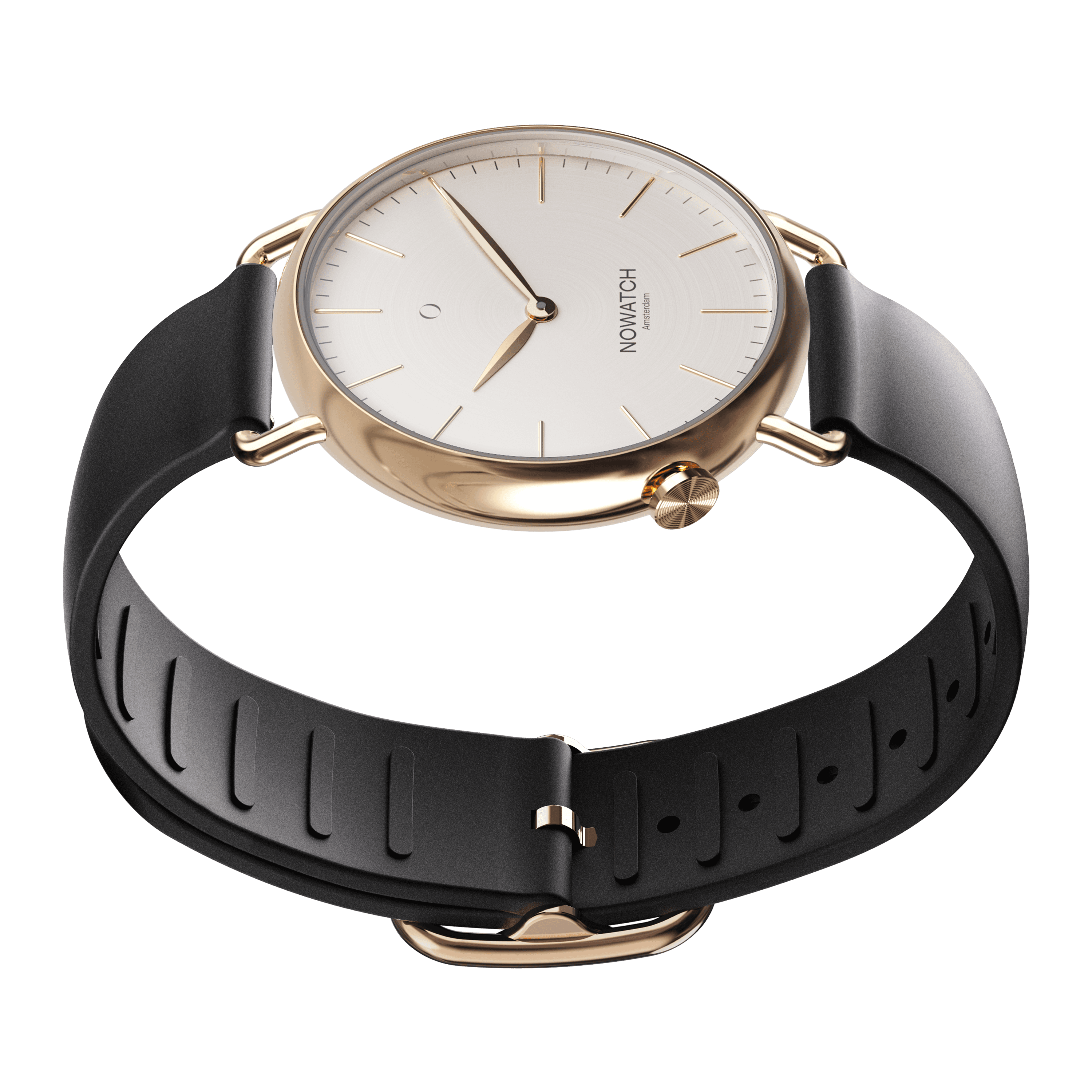
Understanding regulation is one thing, being able to see it is another. In the NOWATCH app, your autonomic nervous system activity is visualised in real-time, giving you a window into how your body is actually responding to events throughout your day. And, most importantly, how you recover.
We tend to focus on stress itself, how busy we are, how hard we train, how much we’re doing. Here’s the thing, though: stress is always going to be a part of life, and what matters most is how efficiently your system can come back to baseline after that stress.
The ability to recover isn’t optional: your health depends on it. Effective recovery enables your readiness for life’s demands, and helps you maintain your wellbeing. Your body is constantly using resources and then needing to restore them. It’s part of a never-ending, on-going process. This is why being able to track your autonomic nervous system’s ability to regulate itself is such a game changer. With the NOWATCH reactivity Monitor, you can start to see patterns, what increases stress, what supports recovery, and when your body may need more attention.
Understanding your body’s capacity to regulate itself gives you the insights you need to support your autonomic nervous system, which may be the missing piece of your health puzzle.